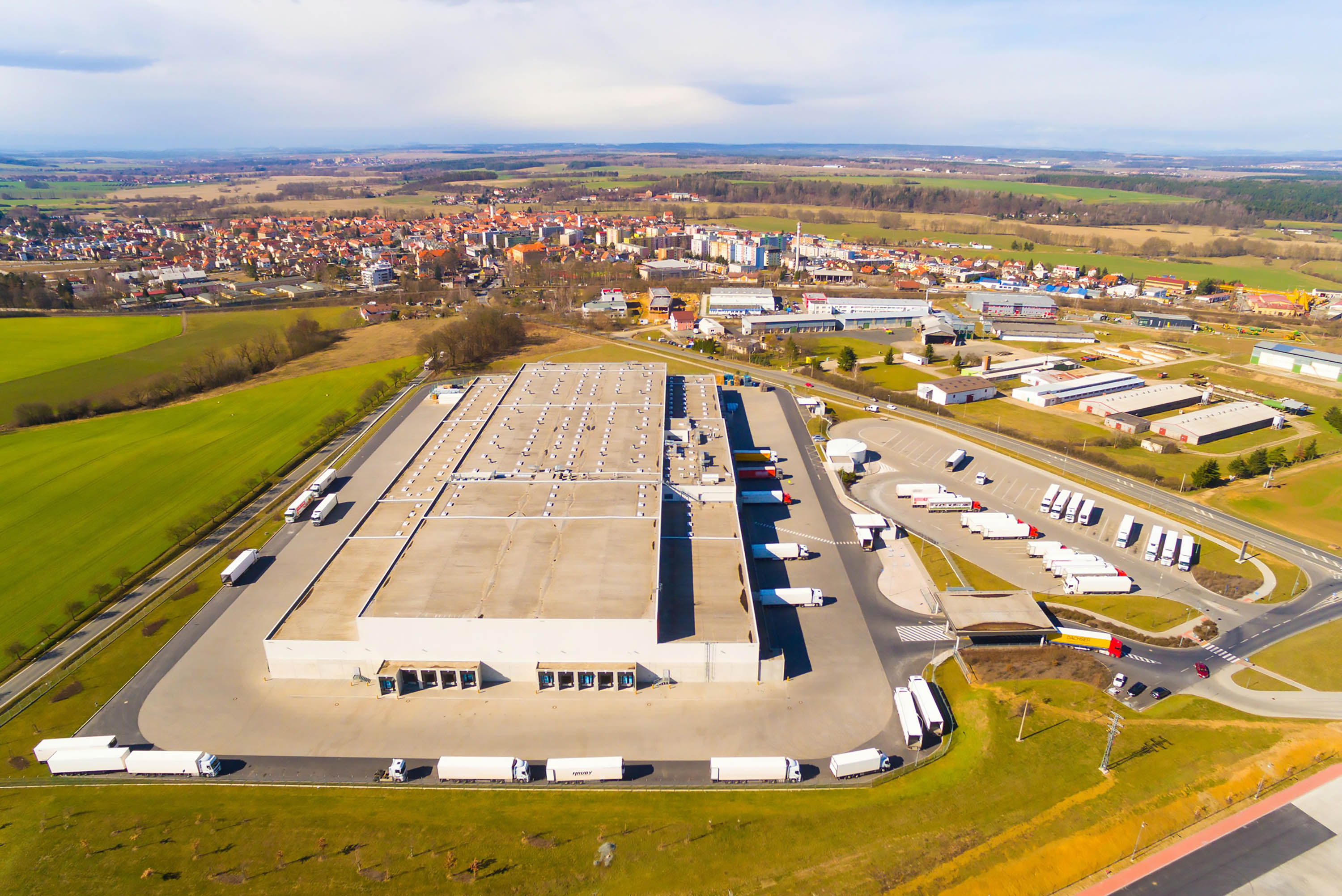
Warehouses, distribution centers, and last-mile delivery facilities have become some of the most in-demand property types among commercial real estate investors, and that demand has carried straight into the exchange market. A 1031 exchange industrial property purchase gives investors exposure to the e-commerce and supply chain boom while still deferring capital gains tax on the sale of a prior asset. But industrial real estate has its own vocabulary, its own diligence checklist, and its own risks, and understanding them before you identify a replacement property can save you from a costly mistake.
Considering a move into industrial or logistics real estate for your next exchange? Talk with Aspen Exchange before your relinquished property closes so your timeline and structure are set up correctly.


Why Industrial Real Estate Has Become a Popular 1031 Exchange Target
The growth of e-commerce fundamentally changed how goods move from manufacturer to consumer, and that shift increased demand for space to store, sort, and ship inventory. Retailers and third-party logistics providers need facilities positioned near population centers, highway interchanges, ports, and rail lines. At the same time, many industrial tenants sign longer leases than typical retail or office tenants, which appeals to exchange buyers looking for stable, relatively passive income after selling a more management-intensive asset.
Investors coming out of retail, office, or even residential properties often cite a few consistent reasons for choosing industrial as a 1031 exchange industrial property replacement:
- Historically lower vacancy in many well-located industrial submarkets compared to some retail and office categories, though this varies significantly by market and property specifics.
- Simpler building systems in many industrial assets, which can mean lower ongoing capital expenditure relative to more complex property types.
- Strong tenant demand tied to structural shifts in how consumer goods are distributed.
- A wide range of price points, from small flex buildings suitable for a first-time industrial buyer to large institutional-quality distribution centers.
For a broader look at how commercial property fits into exchange strategy generally, see Aspen Exchange’s 1031 exchange commercial real estate guide.
Warehouse, Distribution, and Flex: Know the Differences
“Industrial” is a broad category, and the differences between subtypes matter for both underwriting and long-term leasing prospects.
- Warehouse. Generally used for bulk storage, often with fewer loading doors relative to square footage and lower clear heights than modern distribution product. Older warehouse stock can be well-located but functionally obsolete for large logistics tenants.
- Distribution centers. Built for high-volume movement of goods, typically featuring tall clear heights, deep truck courts, extensive dock door counts, and modern fire suppression systems designed to meet current logistics tenant standards.
- Flex space. A hybrid of office and light industrial or warehouse space, often used by smaller businesses that need a showroom, light assembly, or storage combined with office functions. Flex buildings can offer more tenant diversity but sometimes less standardized lease terms.
- Last-mile facilities. Smaller, infill industrial buildings located close to dense population centers, designed to support rapid final-stage delivery. These properties often command premium pricing because well-located urban and suburban infill land suitable for industrial use is limited.
Understanding which category a prospective replacement property falls into, and how that aligns with your investment goals, is an important first step before identifying it within your 45-day window.
Key Diligence Points for Industrial Property
Industrial buildings look straightforward from the outside, a large box with a parking lot and truck court, but the physical and operational details drive both current leasing demand and future re-leasing risk. Before identifying an industrial replacement property, investors and their advisors typically review:
- Clear height. The unobstructed vertical space inside the building, measured from the floor to the lowest overhead obstruction. Modern logistics tenants generally prefer taller clear heights because they allow for more efficient vertical racking, and older buildings with lower clear heights may not compete well for larger tenants.
- Loading dock configuration. The number of dock-high doors, the presence of dock levelers and seals, and whether the layout supports efficient truck loading and unloading. Cross-dock configurations (with doors on opposing sides of the building) are especially valuable for high-turnover distribution use.
- Truck court depth and trailer parking. Adequate maneuvering room for large trucks, along with dedicated trailer parking, is increasingly important for logistics and distribution tenants and can be a limiting factor in older or tightly built properties.
- Column spacing and floor load capacity. Wider column spacing generally allows for more efficient racking and equipment layouts, while floor load capacity affects what kind of inventory and equipment a tenant can operate.
- Power supply. Amperage and electrical infrastructure matter more than they used to, especially as tenants add automation, refrigeration, or EV fleet charging needs.
- Roof condition and building systems. Roof age and condition are a common source of unexpected capital expenditure in industrial assets, along with HVAC (where present), fire suppression, and sprinkler system compliance.
- Zoning and permitted uses. Confirming the zoning designation supports the intended tenant use, including any restrictions on outdoor storage, truck parking, or hours of operation, is an important step before closing.
Environmental Diligence for Older Industrial Sites
Industrial real estate carries environmental considerations that many other property types do not, particularly for older buildings or sites with a history of manufacturing, fuel storage, dry cleaning, auto repair, or other industrial uses. A Phase I Environmental Site Assessment is a standard part of diligence for most industrial acquisitions, and for good reason:
- A Phase I assessment reviews historical records, prior ownership and use, aerial photographs, and site inspection findings to identify potential environmental concerns, such as prior underground storage tanks, contamination, or hazardous material use.
- If a Phase I assessment identifies a “recognized environmental condition,” a Phase II assessment involving soil or groundwater sampling may be recommended before proceeding.
- Environmental issues discovered after closing can be expensive and time-consuming to remediate, and depending on the circumstances, financial responsibility can fall on the current property owner even if the contamination originated with a prior owner or tenant.
- Because of the tight 45-day and 180-day exchange windows, investors identifying older industrial property should build in enough time for environmental review before committing, since a serious environmental finding late in the process could jeopardize the exchange entirely.
Environmental risk is one of the clearest reasons industrial acquisitions benefit from starting diligence early, ideally before the property is formally identified, rather than treating it as a final step before closing.
Tenant Concentration Risk
Many industrial properties, especially single-tenant distribution centers and build-to-suit facilities, are leased entirely to one tenant. That concentration can be a feature or a risk depending on how you look at it. A single well-capitalized tenant on a long lease can provide highly predictable income, but it also means the property’s value and cash flow are tied closely to that one tenant’s financial health and ongoing need for the space. Investors evaluating single-tenant industrial replacement property generally consider:
- The tenant’s credit quality and financial strength, and whether the lease includes any financial reporting or guaranty provisions.
- Remaining lease term and renewal options, since a shorter remaining term increases re-leasing risk sooner.
- Whether the building is generic enough to re-lease easily to a different tenant, or whether it was highly customized for the current occupant’s specific operations (a “build-to-suit” risk sometimes called functional obsolescence for other users).
- Market rent trends in the submarket, to gauge whether current rent is above, at, or below market, which affects renewal negotiating leverage.
Multi-tenant industrial parks spread this risk across several tenants but generally require more active management. Deciding between single-tenant and multi-tenant industrial exposure is a core part of matching the replacement property to your investment goals.
Frequently Asked Questions
Can I exchange out of an office or retail property into industrial real estate?
Generally, yes. Since the TCJA, Section 1031 like-kind treatment applies to real property, and different types of investment or business-use real estate, including office, retail, and industrial, are generally considered like-kind to one another for exchange purposes.
Does a Phase I environmental assessment need to be completed before I identify the property?
Not necessarily before identification, but given the tight 45-day and 180-day windows, many investors begin environmental review as early as possible after identifying an older industrial property, so that any concerns surface with enough time to address them or pivot to a backup property.
Is single-tenant or multi-tenant industrial property better for a 1031 exchange?
Neither is universally better. Single-tenant assets can offer simpler management and predictable income but concentrate risk in one tenant, while multi-tenant properties diversify tenant risk but generally require more active management. The right choice depends on your goals, risk tolerance, and how hands-on you want to be.
What clear height should I look for in a modern distribution property?
Preferred clear heights vary by market and by tenant type, and modern logistics users generally favor taller clear heights for racking efficiency. A commercial broker familiar with your target submarket can advise on what is considered competitive locally.
Can I use a 1031 exchange to buy a smaller, more manageable industrial property instead of a larger one?
Yes, investors regularly downsize into smaller industrial assets, including flex space or small last-mile buildings. Keep in mind that to fully defer gain, the replacement property’s value and associated debt generally need to be equal to or greater than what was relinquished, so a downsizing exchange should be reviewed carefully with your tax advisor.
How do I make sure I have time to complete diligence within the exchange deadlines?
Building a pre-vetted pipeline of potential replacement properties, and starting environmental and physical diligence as early as possible after identification, are the most common ways investors keep industrial exchanges on schedule. Review the mechanics of the identification window in Aspen Exchange’s step-by-step 1031 exchange guide.
Plan Your Exchange Before You Sell
Industrial and logistics real estate can be a strong fit for a 1031 exchange, but the diligence involved, from clear height to environmental history to tenant concentration, takes time to do right. Contact Aspen Exchange’s team at snow-lyrebird-118994.hostingersite.com/contact to start planning your timeline before your relinquished property closes.
This article is educational information, not tax, legal, or investment advice. Consult your own qualified advisors regarding your transaction.