


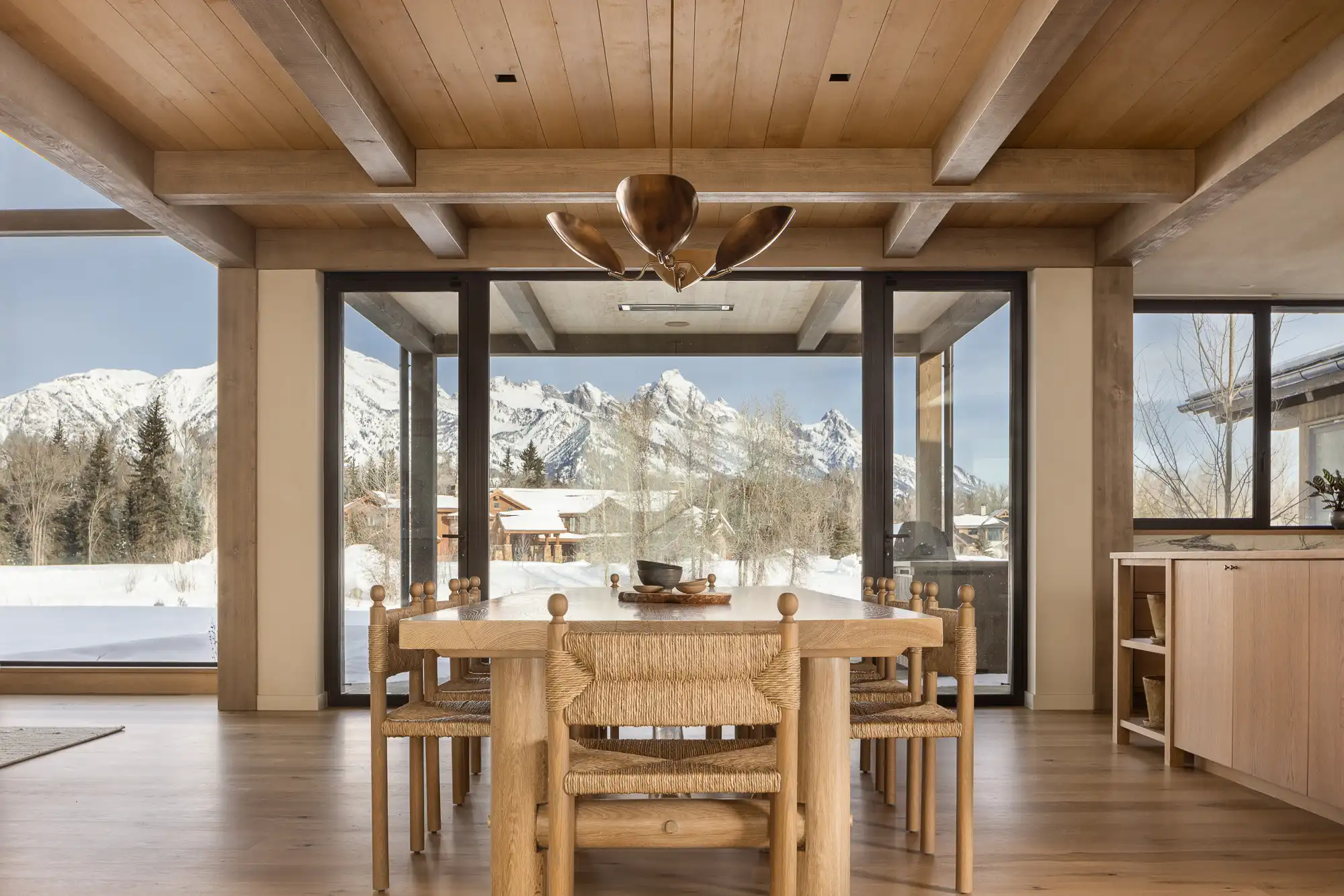
For investors seeking to customize a replacement asset or build a property from the ground up, a standard 1031 exchange may present structural challenges. An Improvement 1031 Exchange (also known as a Construction or Build-to-Suit Exchange) allows you to utilize exchange proceeds to buy property and fund improvements before taking title.
In a traditional exchange, purchasing raw land or an under-improved building with the intent to renovate later does not allow construction costs to count toward your tax deferral. Once you acquire title to a property, any money spent on subsequent improvements is considered labor and materials, not like-kind real estate acquisition.
To satisfy IRS rules under Revenue Procedure 2000-37, an Improvement Exchange relies on an Exchange Accommodation Titleholder (EAT). The EAT holds title to the replacement property during the 180-day exchange window while construction or capital improvements are executed using tax-deferred exchange funds.
To achieve complete tax deferral in an Improvement Exchange, two conditions must be fulfilled within the 180-day timeframe: all net proceeds from the relinquished sale must be spent on the land and completed improvements, and the property transferred to the investor at the end of the exchange must equal or exceed the required valuation.
While Improvement Exchanges involve additional administrative setup, EAT accommodation fees, and tight construction timelines, they offer unparalleled flexibility for value-add real estate investors looking to maximize their asset quality.
Want to build or renovate your replacement property tax-free?
Contact Aspen1031.com to set up a compliant Construction or Improvement 1031 Exchange.