






















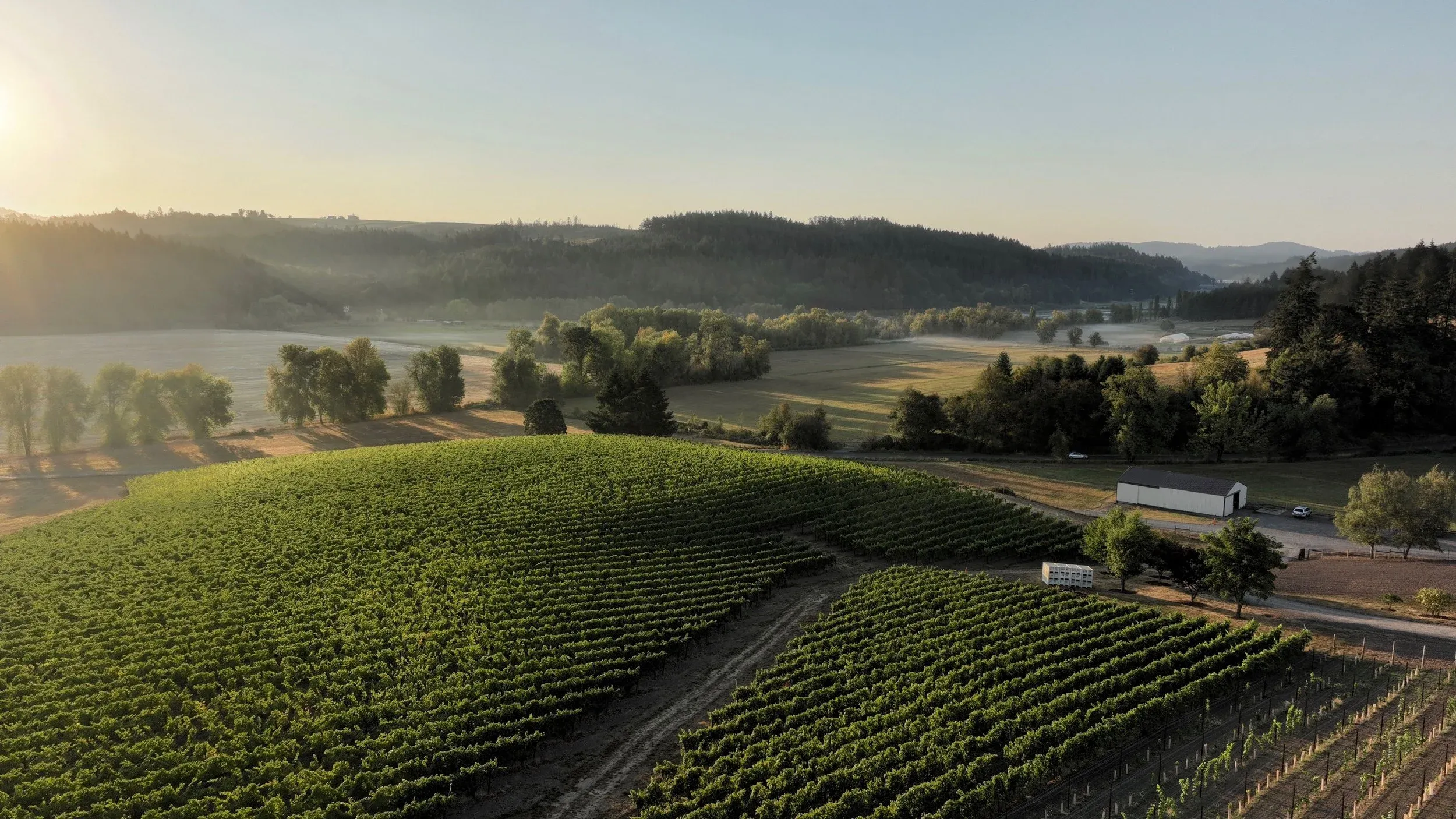
Raw land is one of the most misunderstood property types in the 1031 exchange world. Investors often assume that because land does not generate rental income, it somehow does not qualify for tax-deferred exchange treatment, or they assume the opposite and treat any vacant lot as automatically eligible. Neither assumption is safe. A 1031 exchange land investment strategy can work extremely well for the right investor, but qualifying land correctly, understanding how it exchanges against improved property, and managing the 45-day identification clock during due diligence all require careful planning.
If you are holding vacant land and thinking about a sale, it is worth a conversation with Aspen Exchange before you sign a purchase agreement, since land deals often move faster than investors expect.
Does Raw Land Qualify for a 1031 Exchange?
Section 1031 requires that both the relinquished property and the replacement property be real property held for productive use in a trade or business or for investment. Raw or vacant land generally qualifies as long as it is held for investment purposes, meaning the owner is holding it for appreciation, future development, or long-term investment rather than actively developing and selling individual lots as a business. Land that has been generating no income is still eligible, since the “held for investment” requirement does not depend on the property producing cash flow.
Since 2018, like-kind exchange treatment under federal law applies only to real property, which actually makes land exchanges more straightforward in one sense: land is real property, full stop, and it can generally exchange for any other type of real property, whether that is a commercial building, a multifamily property, or another parcel of land.
The Dealer Property Problem
The most important qualification issue for land investors is the difference between an investor and a dealer. The IRS and courts look at property held primarily for sale to customers in the ordinary course of business, often called dealer property, as ineligible for 1031 treatment. This distinction matters enormously for land because land is frequently bought, subdivided, and resold as a business activity, which looks very different from land held for long-term investment.
Factors that generally weigh into whether land is investment property or dealer property include:
- How long the land has been held before the sale
- Whether the owner actively subdivided, improved, or marketed individual lots
- The frequency and volume of the owner’s land sales over time
- The owner’s stated intent and business activities, including whether real estate sales are a primary occupation
- Whether the land was purchased with the specific intent to develop and flip it quickly, versus hold it for appreciation
There is no single bright-line test, and the facts of each case matter. An investor who has held a single parcel for years with no development activity is on much firmer ground than a builder who buys, entitles, and sells lots as a repeated business. If there is any question about whether a given parcel could be considered dealer property, that is a conversation to have with a CPA before assuming 1031 treatment will apply.
Exchanging Land for Improved Property (and Vice Versa)
One of the most useful features of a land exchange is flexibility in what the investor moves into. Because the like-kind standard now applies broadly to real property, an investor can generally exchange:
- Raw land for an income-producing property such as a retail center, apartment building, or industrial building
- An income-producing property for raw land, for example when an investor wants to shift toward a longer-term appreciation play or a future development project
- One parcel of land for another parcel, including moving from an undeveloped lot in one market to a different undeveloped lot elsewhere
This flexibility opens up a common strategy: an investor who has been sitting on appreciated, non-income-producing land can exchange into cash-flowing commercial or residential property without recognizing the built-up gain. Conversely, an investor exiting an income property who wants to reposition into a future development site can do the reverse. For a broader look at how identification rules apply across different replacement property strategies, see this guide on how to do a 1031 exchange step by step.
Entitlement and Zoning Diligence Under Time Pressure
Land deals come with a due diligence layer that improved property often does not: entitlements, zoning, environmental review, and utility access. These items can take weeks or months to fully investigate, and they collide directly with the 45-day identification window that begins the day the relinquished property closes. A vacant parcel that looks attractive on price can turn into a serious problem if zoning restrictions, wetlands designations, or access easements are not fully understood before the identification deadline locks in.
Practical steps land investors generally take to manage this timing pressure include:
- Starting a preliminary title and zoning review on candidate replacement parcels before the relinquished property even closes
- Ordering a Phase I environmental assessment early if there is any history of prior industrial, agricultural, or unknown use on the parcel
- Confirming access to utilities, road frontage, and easements, which can be deal-breakers for future development but are easy to overlook during a fast-moving identification period
- Using the 200% rule or 95% rule, rather than the standard three-property rule, when identifying several land parcels as backup options in case diligence rules one or more out
- Building a buffer into the 180-day closing window for any entitlement contingency the purchase contract might include
Because land due diligence often uncovers issues that take time to resolve, many land investors identify more than one candidate parcel using the 200% rule, which allows identifying any number of properties as long as their combined fair market value does not exceed twice the value of the relinquished property. This gives some breathing room if the first-choice parcel runs into an entitlement problem during the 180-day window. For a refresher on how these identification rules work together, see this complete guide to 1031 exchange rules.
1031 Exchange vs Simply Holding Land Long-Term
Not every land investor should exchange. If the goal is to hold onto the same parcel indefinitely and pass it to heirs, a 1031 exchange may not add much value, since long-term holding alone already defers the tax on unrealized appreciation, and heirs may receive a stepped-up basis at death under current law. A 1031 exchange becomes more valuable when an investor wants to:
- Move capital out of a low-growth or illiquid land holding into an income-producing property
- Diversify from a single large land position into multiple smaller properties or markets
- Reposition ahead of an anticipated zoning change, infrastructure project, or market shift without giving up deferral
- Consolidate several smaller parcels into one larger, more manageable investment
The right decision depends heavily on individual goals, holding period, and estate planning considerations, all of which are best discussed with a CPA and estate attorney alongside your exchange planning. It is also worth comparing an exchange against other tax deferral tools available to real estate investors, since land held for a long time may qualify for more than one strategy depending on the investor’s broader portfolio, as discussed in this comparison of a 1031 exchange versus an opportunity zone investment.
What to Watch for With Financing on Land Deals
Land purchases can also come with financing quirks that differ from improved property. Lenders generally view raw land as higher risk than income-producing property, which can mean lower loan-to-value ratios, shorter loan terms, or higher rates. If an investor is relying on debt to reach the replacement property’s required value under the debt replacement rule, it is worth confirming financing terms early, since land loans do not always move at the same pace as conventional commercial mortgages. Building in extra time for land financing to close is a smart practice given how tight the 180-day window can already feel once entitlement diligence is factored in.
Frequently Asked Questions
Can vacant land with no rental income qualify for a 1031 exchange?
Generally, yes. Land held for investment or future use in a trade or business can qualify even if it generates no current income, since the requirement is about the holding purpose, not cash flow.
Can I exchange raw land for a commercial building?
Yes, generally. Since the like-kind standard covers real property broadly, land can typically be exchanged for improved income-producing property, and vice versa.
What makes land “dealer property” instead of investment property?
Dealer property is generally land held primarily for sale to customers in the ordinary course of a trade or business, such as land bought, subdivided, and sold repeatedly as part of a development operation. Factors like holding period, development activity, and sales frequency all matter, and there is no single test that decides every case.
How does the 45-day identification window affect land due diligence?
Zoning, entitlement, and environmental review for land can take longer than similar diligence on improved property, but the 45-day identification deadline does not extend to accommodate that. Investors generally need to start preliminary diligence on candidate parcels as early as possible, sometimes before the relinquished property even closes.
Should I identify more than one land parcel as a replacement property?
Many land investors do, using the 200% rule to identify several candidate parcels in case diligence issues rule one out during the 180-day window. This provides flexibility that the standard three-property rule may not.
Is it better to exchange land or just hold it long-term?
It depends on individual goals. Long-term holding can work well for investors planning to pass land to heirs, while an exchange is generally more useful for investors who want to reposition capital into income-producing property or diversify without triggering current tax on the gain.
Plan Your Land Exchange Before You Sell
Land exchanges reward investors who plan ahead, particularly when it comes to qualification, diligence timing, and financing. Getting these pieces lined up before your relinquished property closes gives you far more control over the outcome than trying to solve them under deadline pressure. Contact Aspen Exchange to talk through your land exchange strategy and put a realistic timeline in place before you sell.
This article is educational information, not tax, legal, or investment advice. Consult your own qualified advisors regarding your transaction.