






















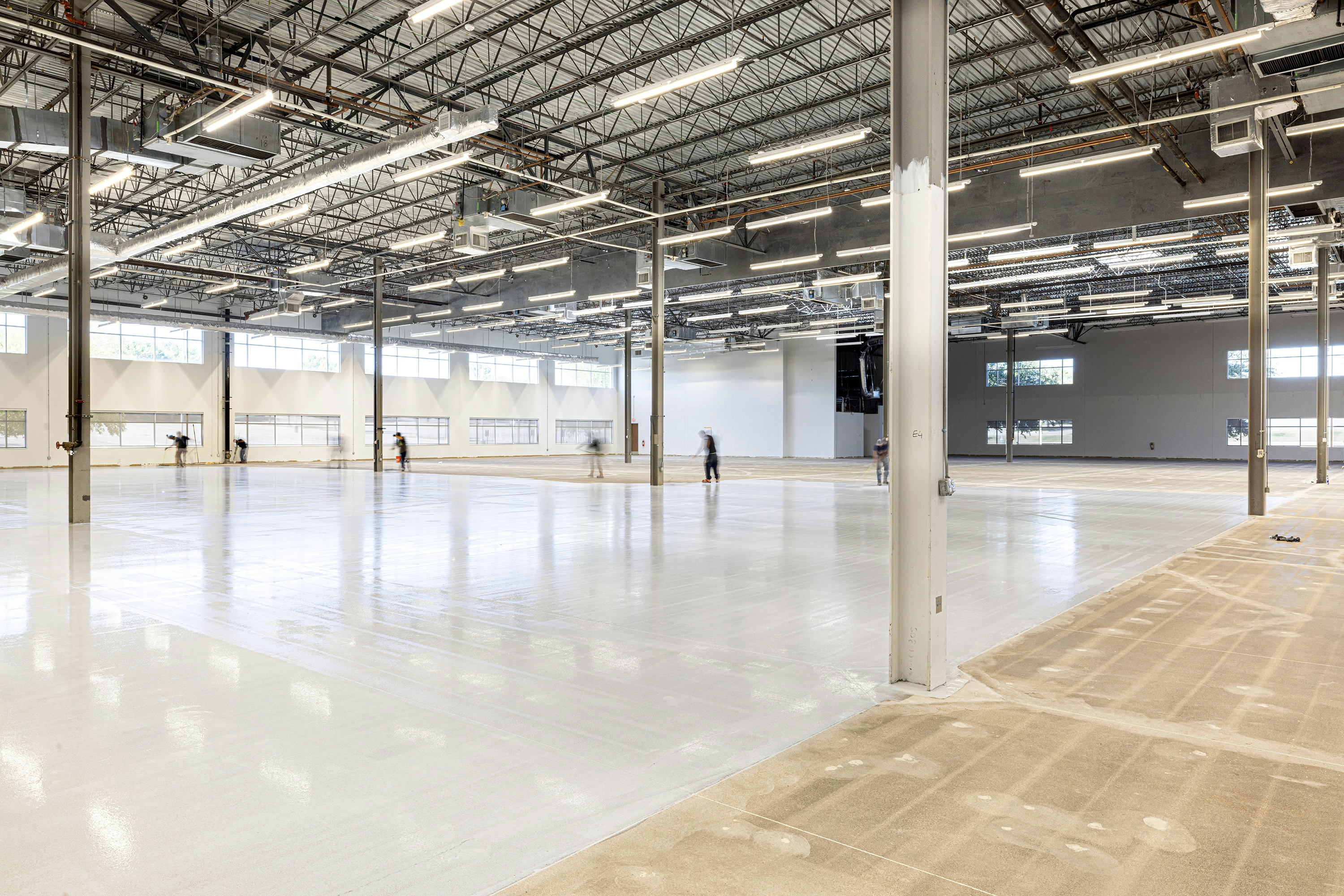
Data centers, cold storage facilities, and life-sciences lab buildings have moved from a specialized corner of the industrial market into one of the most actively pursued categories among real estate investors looking to redeploy capital. Demand for cloud computing, artificial intelligence workloads, biotech research, and temperature-controlled logistics has pushed rents and institutional interest higher across all three property types. For an investor coming out of a more conventional asset, a 1031 exchange data center purchase can look attractive on paper: long leases, credit-quality tenants, and a business that seems immune to the usual retail or office headwinds. But these are also some of the most technically complex properties to run through a 1031 exchange, because so much of their value sits in equipment and systems that were never designed with real property tax rules in mind.
Before you commit to a specialty industrial replacement property, it is worth a conversation with your qualified intermediary about how the deal is structured. Talk with the Aspen Exchange team before your relinquished property closes so your identification strategy and documentation account for the unique issues these assets raise.
Why Data Centers and Specialty Industrial Property Have Become a 1031 Target
Three forces are driving investor interest into this niche. First, the growth of cloud computing and now AI training and inference workloads has created sustained demand for both hyperscale data center campuses and smaller colocation facilities in secondary markets. Second, e-commerce and food distribution have pushed cold storage and refrigerated warehouse space from an afterthought into a category with its own dedicated capital and specialized operators. Third, biotech and life-sciences funding cycles have created pockets of intense demand for lab-ready buildings in a handful of research clusters, spilling into secondary and tertiary markets as tenants look for lower-cost alternatives.
For 1031 exchange investors, all three categories share a common appeal: long-term net leases, often ten to twenty years, frequently backed by a single well-capitalized tenant, with contractual rent escalations built in. That profile looks similar to the triple net lease deals many exchangers are already comfortable with. See our guide to 1031 exchange NNN lease properties for the fundamentals of that structure before layering in the added complexity below.
What Actually Qualifies as Real Property in a Data Center 1031 Exchange
Since the Tax Cuts and Jobs Act eliminated personal property from Section 1031 eligibility, only real property held for investment or business use generally qualifies for exchange treatment. For a conventional office or retail building, that line is usually easy to draw. For a data center, cold storage facility, or lab building, it is not.
The building shell, the foundation, the roof, and structural components that are permanently affixed to the building generally qualify as real property under the “inherently permanent structure” and “structural component” tests found in the Treasury regulations. Where things get complicated is everything inside the shell that makes these buildings actually function for their specialized use:
- Data centers: backup generators, uninterruptible power supply systems, precision cooling units, raised access flooring, server racks, and cabling infrastructure may be characterized as personal property or trade fixtures rather than structural components of the building, depending on how they are installed and whether they primarily serve the business conducted in the building rather than the building itself.
- Cold storage: refrigeration compressors, insulated panel systems that are not part of the permanent building envelope, and specialized dock equipment can raise similar questions.
- Life-sciences lab space: fume hoods, lab benches, specialized HVAC and air-handling systems built to serve a specific tenant’s research process, and certain gas and vacuum lines may fall on the personal property side of the line.
This distinction matters enormously in a 1031 exchange because value allocated to personal property generally does not qualify for tax deferral. An investor who assumes the entire purchase price of a highly specialized building qualifies as like-kind real property may be in for an unpleasant surprise if a portion of that value is later recharacterized. This is precisely the kind of issue a cost segregation study is designed to identify, and it is worth commissioning one, or at least a preliminary review, before you finalize your purchase price allocation.
How Purchase Price Allocation Affects Your Exchange
Because so much value in these assets sits in mechanical and electrical infrastructure, the purchase and sale agreement should ideally include a reasonable allocation between real property and any component that could be treated as personal property or a trade fixture. An allocation that is silent or unrealistic can create ambiguity that surfaces later, either during the exchange itself or if the IRS ever examines the transaction. Work with your qualified intermediary and CPA to review the allocation language before you go under contract, not after. If a portion of the purchase price is determined to represent non-like-kind property, that amount is generally not eligible for deferral and could be treated similarly to boot in the exchange, reducing the tax benefit you were expecting.
Single-Tenant Credit Risk and Long-Lease Considerations
Data centers in particular are frequently single-tenant, purpose-built assets leased to one hyperscale cloud provider or a large enterprise user. That concentration cuts both ways. A strong, investment-grade tenant on a long lease can produce years of stable, bondable income with minimal landlord responsibility. But if that tenant’s needs change, whether from a shift in cloud architecture, a consolidation of facilities, or simple technological obsolescence of the specific power and cooling capacity the building offers, releasing a highly specialized building to a new user can be far harder and slower than releasing a generic warehouse or office building.
Investors evaluating a data center or specialty industrial replacement property should think carefully about:
- Tenant credit quality. Is the lease guaranteed by a rated parent entity, or by a thinly capitalized operating subsidiary?
- Remaining lease term relative to your own hold period and investment horizon. A shorter remaining term shifts more releasing risk onto you sooner.
- Power capacity and utility infrastructure. Available power is often the single biggest constraint on a data center’s future value and marketability to a new tenant.
- Redevelopment and alternate-use potential. If the specialized systems were removed, what is the building actually worth as a generic industrial shell?
- Capital expenditure obligations. Highly technical buildings can carry expensive ongoing maintenance and replacement cycles for cooling and power systems that a passive owner should budget for.
The same questions apply, in a somewhat different form, to cold storage and lab buildings. Cold storage tenants are often third-party logistics operators or food distributors whose creditworthiness can vary widely, and refrigeration systems require consistent capital maintenance to avoid costly failures. Life-sciences tenants range from well-funded pharmaceutical companies to early-stage, pre-revenue biotech firms, so lease guarantees, security deposits, and renewal options deserve close scrutiny. For a broader look at how industrial assets generally perform in a 1031 context, see our guide on 1031 exchange for industrial and logistics real estate.
Diligence Checklist for Specialty Industrial 1031 Buyers
- Request the full lease, all amendments, and any parent guaranty, and have your attorney confirm the guaranteeing entity’s actual financial strength.
- Obtain a clear breakdown of what is included in the purchase price as real property versus equipment, fixtures, or trade fixtures.
- Review utility capacity, interconnection agreements, and any power constraints that could limit the building’s future flexibility.
- For cold storage, ask about refrigeration system age, maintenance history, and remaining useful life of major compressors.
- For lab space, understand whether the build-out was general-purpose or highly customized to one tenant’s process, which affects re-leasing difficulty.
- Confirm environmental conditions, particularly for older industrial buildings being converted to specialty use, since prior uses can leave contamination issues that complicate financing and resale.
- Model a scenario where the current tenant vacates at lease expiration and estimate realistic downtime and re-tenanting costs.
Because these buildings are more specialized than a typical NNN retail pad, they can also take longer to properly underwrite. Building extra time into your property-type-specific 1031 exchange checklist and starting your search early in the 45-day identification window is especially important here.
Frequently Asked Questions
Can I do a 1031 exchange into a data center?
Generally, yes. The real property portion of a data center, meaning the building shell and permanently affixed structural components, can generally qualify as like-kind real property in a 1031 exchange. Equipment and systems that are treated as personal property under current law generally do not qualify, so the specific facts of the building and purchase agreement matter.
Does specialized cooling and power equipment in a data center qualify for 1031 treatment?
It depends on how the equipment is installed and whether it is considered a structural component of the building or a trade fixture serving the tenant’s business. This is a fact-specific determination, and a cost segregation review or a qualified appraiser can help identify how value should be allocated between real and personal property.
Is cold storage real estate treated differently than a standard warehouse for 1031 purposes?
The building shell of a cold storage facility is generally analyzed the same way as any other industrial building. The refrigeration and insulation systems inside it can raise the same real property versus personal property questions that apply to other specialty industrial assets, so it is worth a closer look than a generic warehouse purchase.
Why do single-tenant data centers carry more risk than other net lease properties?
Because the building is purpose-built around one tenant’s technical needs, it can be more difficult and expensive to re-lease to a different user if that tenant vacates, compared with a more generic retail or office property. Investors should weigh this releasing risk against the strength and length of the current lease.
Should I get an appraisal or cost segregation study before closing on a specialty industrial replacement property?
Many investors find it valuable to at least discuss a cost segregation review with their CPA before closing, since it can clarify how much of the purchase price represents real property that qualifies for 1031 treatment versus components that may not.
Is life-sciences lab space harder to exchange into than standard office space?
It is generally more specialized, which means more diligence around tenant credit, build-out customization, and re-leasing risk, but the underlying real property can still qualify for a 1031 exchange in the same way other commercial real estate does.
Plan Your Exchange Before You Sell
Data centers, cold storage, and life-sciences buildings can offer some of the strongest income characteristics available to a 1031 exchange investor today, but they demand more careful diligence than a conventional retail or multifamily purchase. Getting the real property versus personal property allocation right, and understanding the credit and releasing risk behind a single tenant, are not things to work out after you are already inside your 45-day identification window. Contact our exchange team early in your planning process so we can help you structure a timeline that gives you room to properly underwrite a specialized asset like this.
This article is educational information, not tax, legal, or investment advice. Consult your own qualified advisors regarding your transaction.