

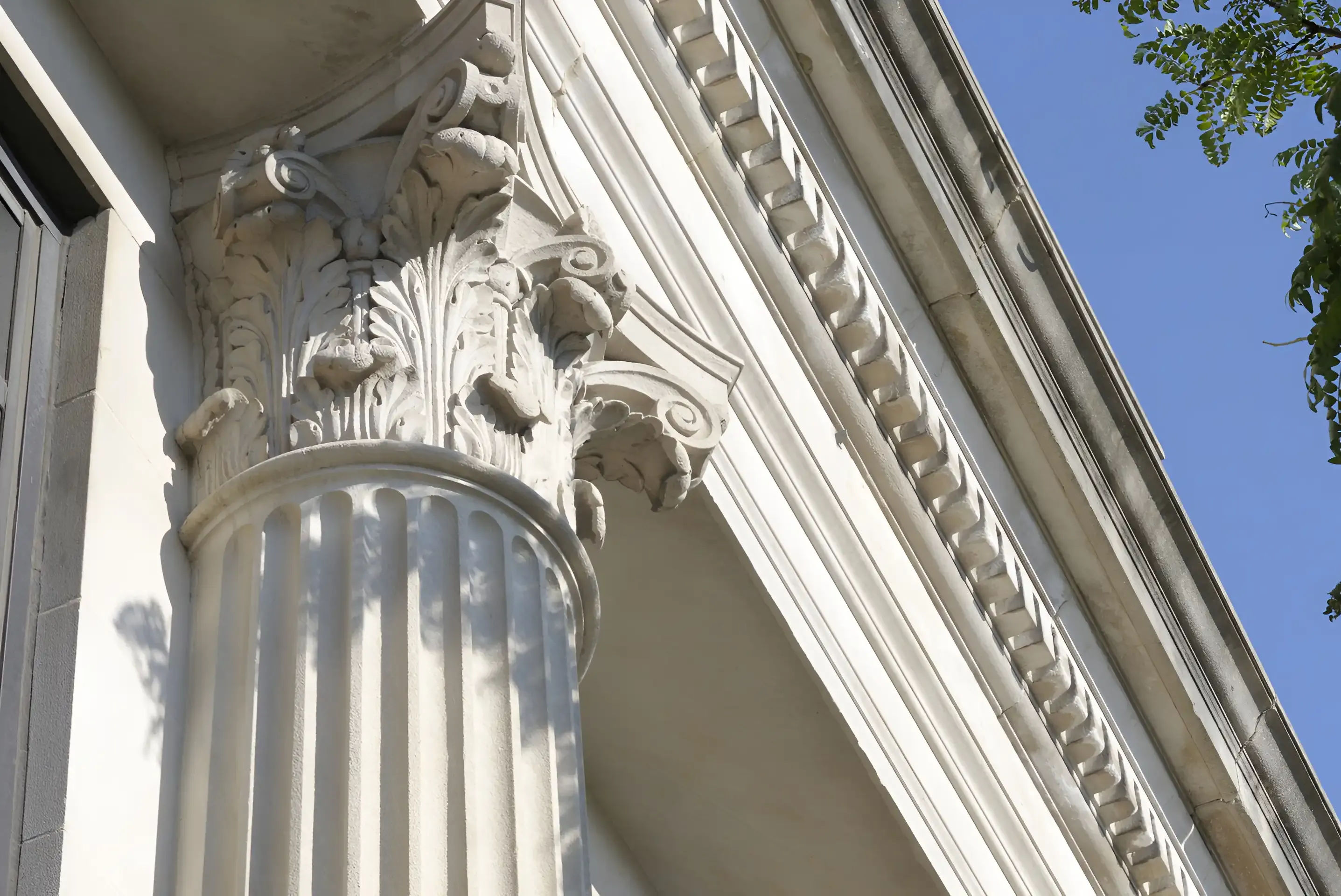





















1031 Exchange for Church and Religious Property
Investment real estate leased to a church, synagogue, mosque, or other religious organization occupies an unusual corner of the net lease market, and it raises questions that do not come up with a typical retail or medical tenant. A 1031 exchange church property deal generally involves a taxable investor, not the religious organization itself, acquiring a building that is leased to or operated by a congregation, or a former church building being repositioned for another investment or business use. Before you consider this property type as a replacement asset, it helps to separate two very different scenarios that often get confused: an investor exchanging into real estate leased to a religious tenant, and a religious organization itself trying to use Section 1031, which is a situation that almost never actually applies to them.
If you are evaluating a church-leased property or a former religious building as replacement property, talk through the specifics with your qualified intermediary first. Talk with the Aspen Exchange team before your relinquished property closes so we can help you plan around this property type’s particular financing and diligence issues.
Two Different Situations: Investor-Owned Property vs. a Church Using Section 1031
It is worth being direct about a common point of confusion. Section 1031 is a tool that lets a taxable owner defer capital gains tax on the sale of investment or business-use real property. Most churches, synagogues, mosques, and other houses of worship are organized as tax-exempt entities under Section 501(c)(3) of the Internal Revenue Code. A tax-exempt organization generally does not pay federal income tax on its activities in the first place, which means there is typically no capital gain to defer and, in most cases, little to no practical reason for the religious organization itself to structure a property sale as a 1031 exchange. If a congregation is selling one building and buying another, that transaction usually does not need Section 1031 at all, because the exempt entity was not going to owe capital gains tax on the sale regardless.
Where Section 1031 becomes genuinely relevant is on the investor side of these deals. A private investor who owns real estate leased to a religious organization, or who owns a former church building that is being held for investment or business use rather than worship, is a taxable owner who can generally use a 1031 exchange the same way they would with any other investment property, subject to the usual real property, like-kind, and timing rules. This article focuses on that investor scenario.
What Kinds of Church-Related Real Estate Can Qualify as 1031 Replacement Property
A handful of common scenarios come up in this category:
- Investor-owned buildings leased to a congregation, where a taxable owner holds the real estate and leases it to a religious organization as tenant, similar in structure to any other net lease deal.
- Former church buildings converted to another investment or business use, such as event space, a school, offices, or residential conversion, where the current or future use is no longer religious worship but the real estate itself is held for investment or business purposes.
- Vacant land or a redevelopment site that previously held a religious building and is being repositioned for a different use entirely.
In each of these cases, the underlying real property analysis is generally similar to other commercial 1031 exchanges: the property must be held for investment or business use, not personal use, and it must be exchanged for other like-kind real property. For a refresher on how commercial property generally fits into a 1031 exchange, see our guide to 1031 exchange commercial real estate.
Financing Complications Specific to Religious-Use Tenants
Lending on property leased to or occupied by a religious organization can be more complicated than financing a typical retail or office deal, for several reasons:
- Fewer comparable sales. Church and religious-use buildings are often highly customized to their original purpose, such as sanctuary spaces with specific ceiling heights, acoustics, and layouts, which can make it harder for an appraiser to find directly comparable sales.
- Limited pool of specialized lenders. Not every commercial lender is comfortable underwriting a loan secured by a building leased to a religious organization, particularly if the congregation itself has limited financial history or relies heavily on donations rather than a conventional revenue stream.
- Repurposing costs and zoning considerations. If your plan involves converting a former church to another use, zoning, parking requirements, and the cost of retrofitting a specialized building can be significant and should be underwritten carefully before you commit exchange funds.
- Tenant financial stability. Where the religious organization is the tenant rather than the owner, its ability to reliably pay rent depends on congregation size, donation trends, and financial management, factors that are harder to evaluate using standard commercial credit tools than a corporate tenant’s financial statements.
Because of these factors, it is worth engaging a lender early in your process, ideally before you are deep into your 45-day identification window, to confirm financing is realistically available for the specific property you are considering.
Diligence Points for Church and Religious-Use Property
- Review the lease or occupancy agreement carefully if a congregation is the tenant, including rent history, any deferred maintenance responsibilities, and renewal terms.
- If the building is a former church being repurposed, confirm current zoning permits your intended use, or understand the timeline and cost of obtaining a variance or rezoning.
- Evaluate the physical building for adaptive reuse potential, since sanctuary spaces, bell towers, and other specialized architectural features can be expensive to modify or, alternatively, can be a distinctive asset for certain reuse concepts such as event venues.
- Confirm parking capacity and any parking covenants, since religious use, and many alternative uses, can have different peak-time parking demands than a typical office or retail tenant.
- Ask about any historic designation or preservation restrictions, which are common with older church buildings and can limit renovation options.
- If the seller is the religious organization itself, confirm they have proper authority to sell, since many denominations require regional or diocesan approval before a congregation can transfer real property.
Because this property type can move more slowly through diligence and financing than a standard retail deal, review your overall timeline against our 1031 exchange checklist by property type and build in extra time wherever possible.
Frequently Asked Questions
Can I do a 1031 exchange into a property leased to a church?
Generally, yes, if you are a taxable investor acquiring real property held for investment or business use and leasing it to a religious organization as tenant. The property must still meet the usual 1031 requirements, including being real property and being like-kind to the property you sold.
Can a church itself use a 1031 exchange when it sells its building?
In most cases, no, or at least it is generally unnecessary. Most churches are tax-exempt entities that do not pay capital gains tax on the sale of property, so there is typically no gain to defer, which means Section 1031 usually is not a relevant tool for the congregation’s own transaction. Every organization’s tax status and specific facts differ, so a church considering a sale should consult its own tax advisor.
Is a former church building that is no longer used for worship still eligible for a 1031 exchange?
Generally, yes, as long as it is held for investment or business use by a taxable owner and is exchanged for other like-kind real property. The building’s history as a church does not disqualify it, since the analysis focuses on how the property is currently held and used.
Why is financing harder to obtain on church and religious-use real estate?
Lenders often see fewer comparable sales for highly specialized religious buildings, and some are less familiar with underwriting a tenant whose revenue depends on donations rather than conventional business income, which can narrow the pool of lenders willing to finance the deal.
What should I check before buying a former church for conversion to another use?
Confirm current zoning allows your intended use, understand any historic preservation restrictions, evaluate the cost of adapting a specialized building layout, and check parking capacity against your planned use before committing exchange funds.
Does a congregation need special approval to sell its property?
Many denominations and religious organizations require approval from a regional body, diocese, or governing board before a congregation can sell real property, which can add time to the transaction. Confirm this early if you are buying from a religious seller.
Plan Your Exchange Before You Sell
Church and religious-use real estate can be a workable 1031 exchange replacement property for a taxable investor, but the financing, zoning, and tenant evaluation issues involved are different enough from a standard retail or office deal that it pays to plan ahead. Contact our exchange team before your relinquished property closes so we can help you think through the timeline this property type may require.
This article is educational information, not tax, legal, or investment advice. Consult your own qualified advisors regarding your transaction.