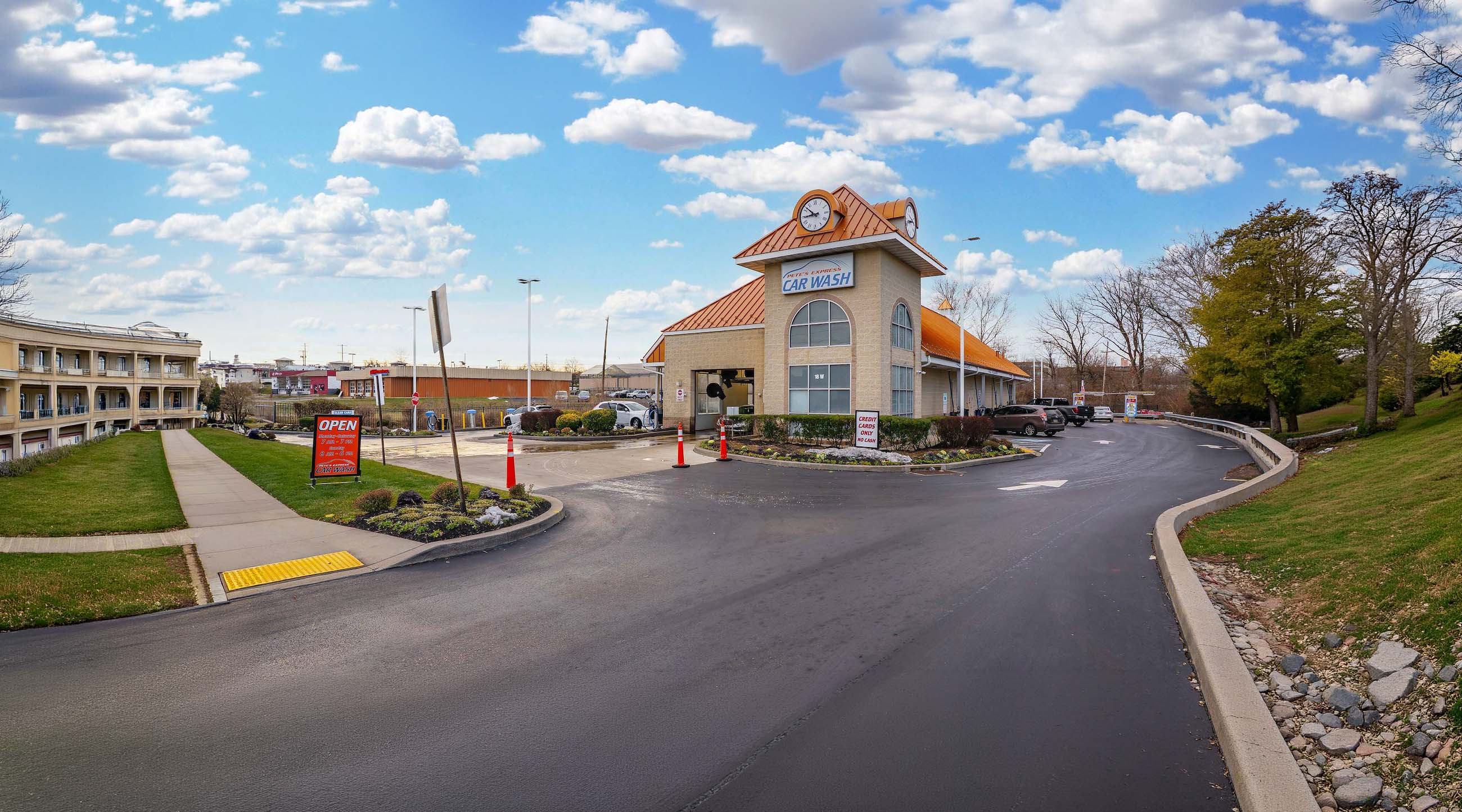
Car washes, quick-lube shops, tire and auto service centers, and similar automotive-use properties have quietly become one of the more popular small-to-mid-size replacement property categories for 1031 exchange investors. They combine a simple building footprint with a business model that has proven resilient through several economic cycles, and they are frequently sold on a triple net lease basis that appeals to investors who want passive, hands-off ownership.
A 1031 exchange car wash property purchase can be an efficient way to redeploy proceeds from a larger, more management-intensive asset into something with predictable monthly income and a tenant who handles day-to-day operations. As with any specialized property type, though, there are diligence points that are specific to this category and worth understanding before you go under contract.
If you are weighing a car wash, quick-lube, or other automotive property as your replacement asset, it helps to talk through the structure with your qualified intermediary first. Talk with the Aspen Exchange team before your relinquished property closes so your timeline and documentation are ready to move quickly once you find the right deal.
Why Investors Like Car Washes and Automotive Real Estate for a 1031 Exchange
Several characteristics make this property category attractive to exchangers coming out of apartment buildings, raw land, or other management-heavy assets:
- Recession-resilient demand. People generally keep washing and maintaining their cars even in a slower economy, and express car wash memberships in particular have shown durable recurring revenue for operators.
- Simple, passive ownership structure. Most car wash and quick-lube real estate is leased on a triple net basis, meaning the tenant handles taxes, insurance, and maintenance, leaving the landlord with a largely passive income stream.
- Smaller check sizes than many net lease alternatives. Car washes and auto-service properties often trade at price points that make them accessible to exchangers who are not moving eight-figure sums, unlike some larger single-tenant retail or industrial deals.
- Growing institutional interest. Express tunnel car washes in particular have attracted significant private equity and institutional capital over the past several years, which has helped standardize lease terms and improve the overall quality of properties coming to market.
These qualities put car washes and automotive properties in a similar conversation to other small-format net lease assets. If you have not already reviewed the basics of that structure, our guide to 1031 exchange NNN lease properties is a useful starting point before you dig into the specifics below.
Equipment vs. Real Property: A Key Diligence Point
Car washes and quick-lube facilities depend heavily on specialized equipment, tunnel systems, conveyors, water reclamation systems, vacuum stations, hydraulic lifts, and related machinery. Since the Tax Cuts and Jobs Act limited Section 1031 to real property, this equipment distinction matters more than it used to. The building shell, canopy structures that are permanently affixed, paving, and underground infrastructure generally qualify as real property. Free-standing or removable equipment, and machinery that primarily serves the operating business rather than the building itself, may be treated as personal property that does not qualify for exchange treatment.
Before you finalize a purchase, it is worth asking your qualified intermediary and CPA to review how the purchase agreement allocates value between the real estate and the operating equipment. Many car wash and quick-lube transactions are structured as real estate sales with the operating business and equipment sold or leased separately, which can simplify the 1031 analysis considerably. If equipment is bundled into a single purchase price without a clear allocation, that ambiguity is worth resolving before closing rather than after.
Environmental Considerations for Fuel and Auto-Service Uses
Automotive-use real estate carries environmental diligence considerations that a typical retail strip center does not. Depending on the specific use and history of the site, issues can include:
- Underground or aboveground storage tanks from current or historical fuel operations, which may require testing, monitoring, or remediation.
- Wastewater and chemical discharge from car wash operations, which is typically regulated and requires proper water reclamation and treatment systems.
- Used oil, coolant, and other fluids generated by quick-lube and auto service operations, which must be handled and disposed of according to state and local regulations.
- Prior site uses on properties that were originally built as gas stations, since legacy contamination from decades-old fuel operations can still surface during a Phase I or Phase II environmental assessment.
A Phase I environmental site assessment is standard practice for this property type, and depending on the results, a lender or buyer may require a Phase II assessment before closing. Because environmental review can take time, factor it into your due diligence schedule early, especially if you are working within the 45-day identification window.
Evaluating Operator and Tenant Financial Strength
Unlike a national fast-food chain with a long public track record, many car wash and quick-lube operators are regional or private companies, and their financial strength can vary significantly from one operator to the next. Before committing to a specific property, consider:
- How long has the operator been in business, and how many locations do they run? A single-unit independent operator carries different risk than a multi-unit regional platform.
- Is the lease guaranteed by the operating entity, a parent company, or an individual? Understand exactly who stands behind the rent obligation.
- What does the site-level sales performance look like, if available? Some operators will share unit-level revenue or car count data, which can help gauge how much rent coverage the location actually generates.
- How competitive is the local market? Express car wash development has accelerated in many metro areas, and an oversaturated submarket can pressure an individual location’s performance over time.
- What is the remaining lease term and renewal structure? Longer terms with built-in rent escalations generally provide more predictable long-term income.
For a broader framework on evaluating any commercial replacement property, see our 1031 exchange checklist by property type, and if depreciation strategy is part of your planning, our guide to cost segregation studies and 1031 exchanges covers how these specialized buildings can sometimes support accelerated depreciation on qualifying components.
Financing and Insurance Considerations
Because car washes and auto-service properties are considered a specialty asset class by many lenders, financing terms can differ from a standard retail or office loan. Some lenders are less familiar with the category and may apply more conservative underwriting, while lenders who specialize in the space may offer more competitive terms. Insurance for these properties should also account for the specific risks of water usage, chemical storage, and equipment, which can carry different premiums than a general retail policy. Build extra time into your due diligence and financing timeline to work through these specialty underwriting requirements, particularly if you are trying to close within your 180-day exchange period.
Frequently Asked Questions
Can a car wash qualify as replacement property in a 1031 exchange?
Generally, yes. The real property portion of a car wash, meaning the building, canopy, paving, and permanently affixed structural components, can generally qualify as like-kind real property. Equipment such as tunnel systems and free-standing machinery may be treated as personal property that does not qualify, so the purchase agreement allocation matters.
Do I need a Phase I environmental assessment before buying automotive real estate for a 1031 exchange?
Most lenders and many buyers require a Phase I environmental site assessment for automotive, fuel, and car wash properties given the potential for storage tank or wastewater issues. Build time for this into your due diligence schedule.
Is a car wash considered a triple net lease investment?
Many car wash and quick-lube properties are leased on a triple net basis, where the tenant is responsible for taxes, insurance, and maintenance, which is why they appeal to investors seeking passive ownership similar to other net lease property types.
How do I evaluate the financial strength of a car wash operator?
Look at how many locations the operator runs, how long they have been in business, who guarantees the lease, and whether they will share any site-level performance data. Independent single-location operators generally carry more tenant risk than established regional platforms.
Are quick-lube and tire shops treated the same way as car washes in a 1031 exchange?
They raise very similar considerations: real property versus equipment distinctions, environmental diligence related to fluids and fuel, and tenant credit evaluation. The specific equipment and environmental profile can vary by use, so review each property on its own facts.
Why has institutional interest in car wash real estate increased?
Express tunnel car washes have attracted significant private capital in recent years due to their recurring membership revenue model and relatively simple operations, which has increased overall deal volume and, in many markets, improved lease standardization for the category.
Plan Your Exchange Before You Sell
Car washes and automotive real estate can offer 1031 exchange investors a genuinely passive, recession-resilient income stream, but getting the real property and equipment distinctions right, and vetting your operator’s financial strength, takes real diligence. Contact our exchange team before you list your relinquished property so we can help you plan a timeline that gives you room to properly evaluate a specialty asset like this within your 45-day and 180-day windows.